How to Keep Bananas From Turning Brown
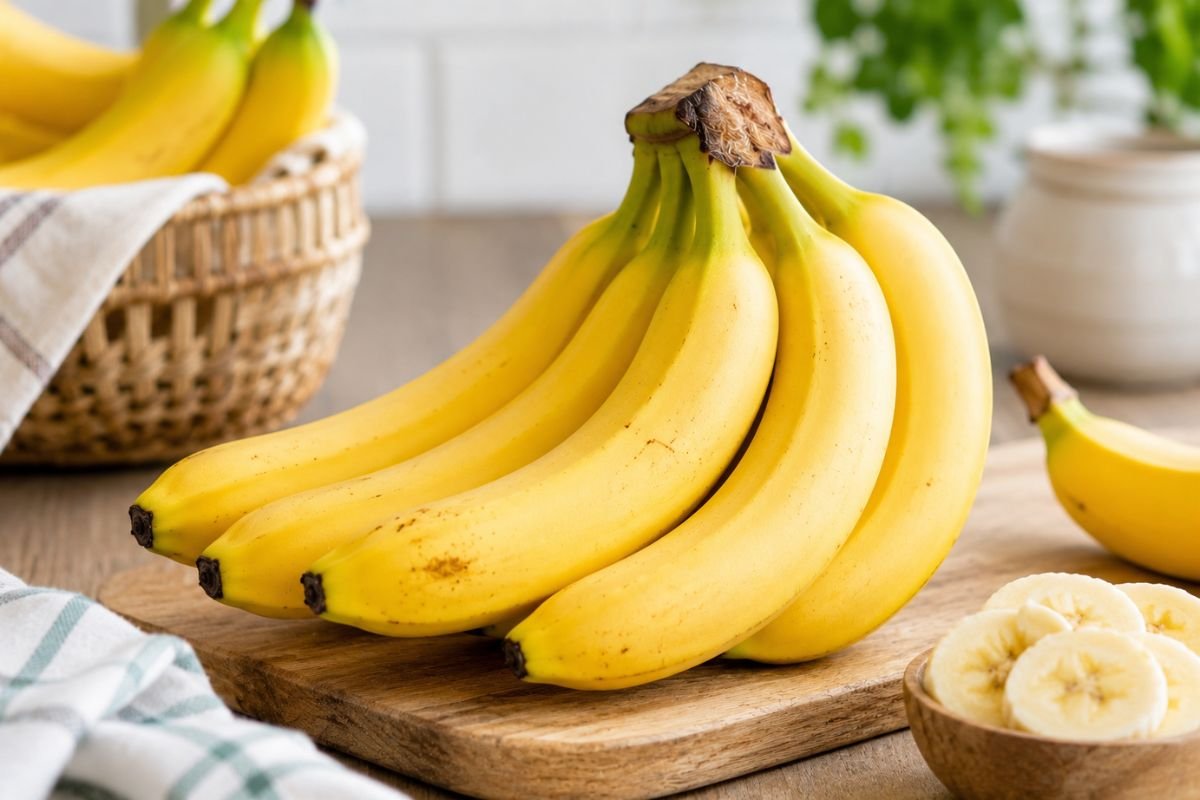
Bananas are one of the most convenient and nutritious fruits you can buy. They are naturally sweet, rich in potassium, and easy to include in smoothies, breakfast meals, or snacks. However, bananas are also known for ripening very quickly. One day they look perfectly yellow, and the next they are covered with brown spots.
Many people throw away bananas once they begin turning brown, but there are several simple ways to slow down this process and keep bananas fresher for longer. Understanding why bananas turn brown and how to store them properly can help reduce food waste and save money.
Why Bananas Turn Brown
Bananas naturally release a plant hormone called ethylene gas. This gas speeds up the ripening process and causes the peel to change color from green to yellow and eventually brown.
As bananas ripen, enzymes inside the fruit break down starch into sugar. At the same time, oxygen reacts with certain compounds in the banana, causing browning. Heat, moisture, sunlight, and exposure to other fruits can make this process happen even faster.
While brown bananas are usually still safe to eat, many people prefer them fresh and firm. Fortunately, there are several ways to slow the browning process.
Store Bananas at the Right Temperature
One of the easiest ways to keep bananas from turning brown too quickly is to store them at room temperature in a cool and dry place. Avoid placing bananas near windows, stoves, or areas exposed to direct sunlight.
Too much heat increases ethylene production and speeds up ripening. A shaded kitchen counter or fruit basket away from heat sources is usually the best option.
If bananas are still green, room temperature storage helps them ripen naturally without spoiling too quickly.
Wrap the Banana Stems
Most of the ethylene gas released by bananas comes from the stem area. Wrapping the stems with plastic wrap, foil, or reusable food wraps can slow the release of gas and delay browning.
You can wrap the stem of the entire bunch together or separate each banana and wrap them individually for better results. This simple method is widely used because it requires very little effort and can noticeably extend freshness.
Keep Bananas Away From Other Fruits
Many fruits produce ethylene gas, including apples, avocados, tomatoes, pears, and peaches. When bananas are stored next to these fruits, they ripen much faster.
To slow browning, keep bananas separate from other produce whenever possible. Using a dedicated fruit bowl or hanging bananas on a banana hook can help improve airflow and reduce exposure to excess ethylene gas.
Use the Refrigerator at the Right Time
A common question people ask is whether bananas should be refrigerated. The answer depends on how ripe they are.
Unripe green bananas should usually stay at room temperature because refrigeration can interrupt the ripening process and affect texture. However, once bananas become perfectly ripe, placing them in the refrigerator can help slow further browning.
The peel may turn dark brown or black in the fridge, but the fruit inside often stays fresh and firm for several extra days. This is completely normal and does not necessarily mean the banana has spoiled.
Freeze Bananas for Long-Term Storage
If your bananas are becoming overripe and you cannot eat them in time, freezing is an excellent solution.
Peel the bananas first, then place them in an airtight container or freezer bag. Frozen bananas work perfectly in smoothies, milkshakes, banana bread, pancakes, and desserts.
Freezing stops the ripening process almost completely and prevents unnecessary waste.
Prevent Banana Slices From Browning
Cut bananas tend to brown even faster because the inside of the fruit is exposed to oxygen. If you are preparing banana slices for snacks, fruit salads, or lunch boxes, there are a few simple tricks to keep them looking fresh.
Use Lemon Juice
A small amount of lemon juice can slow oxidation and help banana slices stay lighter for longer. The citric acid reduces browning by slowing the chemical reaction with oxygen.
You only need a few drops lightly brushed over the slices.
Try Pineapple or Orange Juice
Pineapple juice and orange juice also contain natural acids that help reduce browning. These options can add a slightly sweet flavor while helping maintain appearance.
Store in Airtight Containers
Keeping sliced bananas in airtight containers reduces exposure to air and slows oxidation. This method works especially well when combined with refrigeration.
Use Banana Hangers for Better Airflow
Banana hangers are designed to suspend bananas in the air rather than allowing them to rest on hard surfaces. This reduces bruising and improves airflow around the fruit.
Bruising often speeds up browning, so preventing pressure spots can help bananas stay fresh longer.
Buy Bananas at Different Ripeness Levels
If you regularly buy bananas, consider purchasing bananas at different stages of ripeness. Some can be green, some slightly yellow, and others ready to eat.
This approach prevents all your bananas from becoming overripe at the same time and gives you fresh fruit throughout the week.
Understand When Bananas Are Still Safe to Eat
Brown spots on banana peels do not automatically mean the fruit is bad. In fact, many people prefer bananas with small brown spots because they are sweeter and softer.
However, if bananas develop mold, leaking liquid, or a fermented smell, they should be discarded.
Slightly brown bananas are often perfect for baking recipes such as muffins, cakes, pancakes, or smoothies.
Common Mistakes That Make Bananas Turn Brown Faster
Many people accidentally speed up banana browning without realizing it. Here are some common mistakes to avoid:
- Storing bananas in direct sunlight
- Placing bananas near heat sources
- Keeping bananas beside apples or avocados
- Refrigerating unripe bananas too early
- Leaving sliced bananas exposed to open air
- Stacking heavy fruits on top of bananas
Avoiding these mistakes can help your bananas stay fresh much longer.
Final Thoughts
Keeping bananas from turning brown is easier than many people think. Small storage habits can make a big difference in how long bananas stay fresh and appealing.
Wrapping the stems, storing bananas away from other fruits, using refrigeration at the right time, and freezing overripe bananas are all simple yet effective methods.
With proper care, you can reduce food waste, enjoy fresher bananas, and make your fruit last longer naturally.
References
- Britannica – Why Do Bananas Turn Brown?
- Healthline – How to Keep Bananas Fresh Longer – Explains practical banana storage methods such as wrapping stems, refrigeration, freezing, and preventing rapid ripening.
- Harvard T.H. Chan School of Public Health – Fruits and Vegetables – Offers science-based nutritional information about fruits, healthy eating habits, and food preservation practices.
- WebMD Nutrition and Healthy Eating Guide – Covers nutrition, healthy food storage habits, and tips for maintaining freshness in fruits and vegetables.